
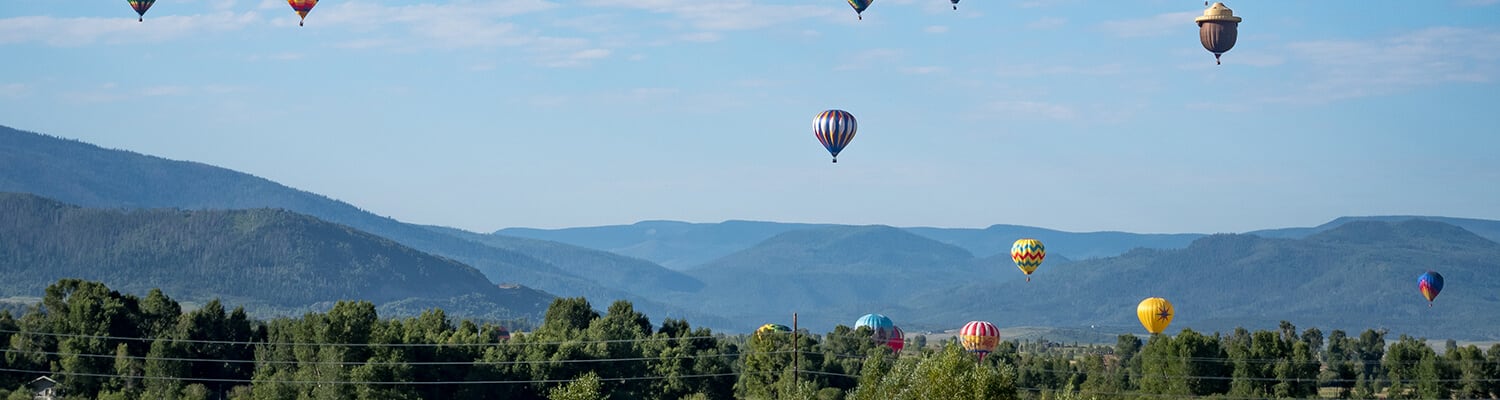
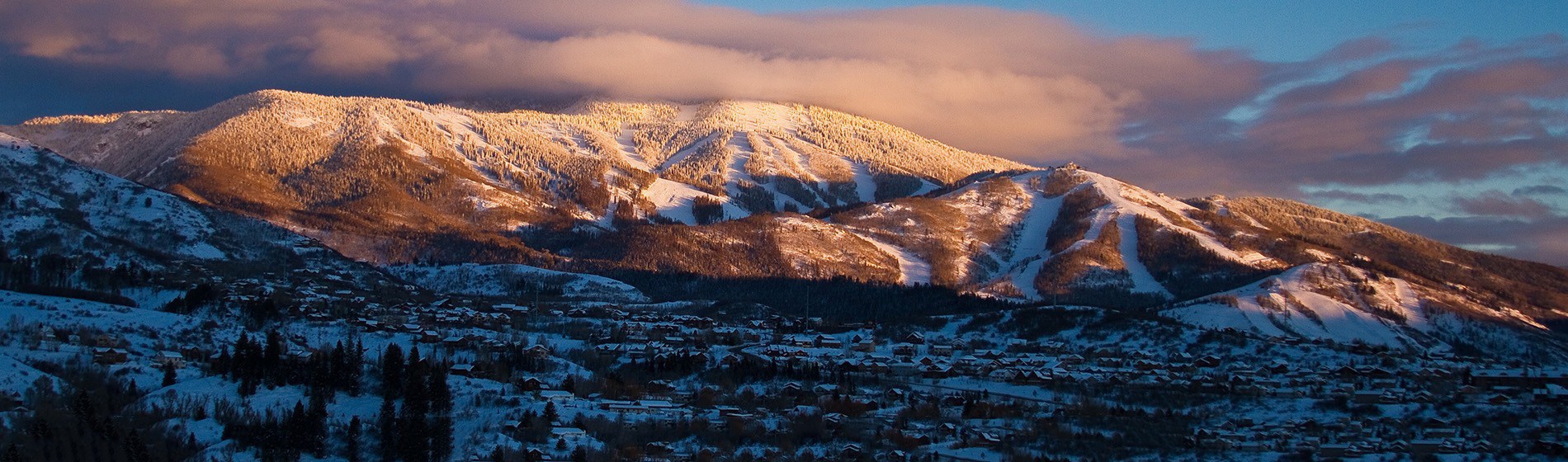
Need an altitude adjustment? The town of Steamboat sits at 6,900 feet above sea level, and Steamboat Resort rises to 10,568 feet at the summit. That is almost two miles above sea level.
Guests coming from lower elevations often take a while to adjust, and some experience altitude sickness. The air is thinner and less oxygen is available with each breath. Symptoms usually appear within the first few hours to first day after arrival and often ease within 48 hours, though sometimes longer. They can include headache, dizziness, nausea, trouble sleeping, loss of appetite, shortness of breath, and general fatigue.
The good news: this is very manageable if you plan for it. Here is how to make the most of your trip to Ski Town U.S.A.
What Counts As High Altitude?
- High Altitude: 5,000 to 11,500 feet (1,500 to 3,500 m)
- Very High Altitude: 11,500 to 18,000 feet (3,500 to 5,500 m)
- Extreme Altitude: above 18,000 feet (above 5,500 m)
Steamboat town and the resort both sit squarely in the high altitude band. That is enough to affect most visitors arriving from sea level.
The Classic Scenario
You fly from New York City to Denver at 5,000 feet. That afternoon you rent a car and drive up to Steamboat at 6,900 feet. You go out to dinner, have three or four drinks, get to bed late, wake up early, and head straight for the gondola. Coffee, a quick bite, and up you go to the top of Storm Peak Express and over to Morningside at 10,568 feet.
You ski all day, then celebrate with an apres drink or two. And then the headache arrives, along with nausea and weakness. If it persists or worsens, skiing becomes difficult and day two is gone.
This is not unusual. Understanding what altitude does to your body is the best defense, and a few basic rules on arrival make an enormous difference.
8 Tips For Adjusting To Altitude
1. Take Your Time
Consider spending a day or two in Denver or another town on the way up. If you fly into Hayden, spend your first day walking around town rather than heading straight up the mountain. Even one day at 5,000 to 6,000 feet helps your body adjust before you are at 10,000.
If that is not possible, at least make day one a half day. Ski until lunch, then stop. You will get more total skiing across the week that way, and most people find day two and three are the ones that actually feel good.
2. Water Is Your Friend
Hydrate and refuel regularly, not just at lunch. Start the day before you travel, not when you arrive. You lose moisture faster at altitude through both breathing and the dry air, and dehydration brings on exactly the headache people associate with altitude sickness.
Drink water even when you are not thirsty, and do not substitute alcohol. Alcohol hits considerably harder up here and makes altitude symptoms worse. Go easy the first night in particular.
3. Eat Well and Keep Eating
Altitude tends to suppress appetite while increasing how many calories you burn, which is an unhelpful combination. Eat regularly even if you do not feel especially hungry.
Carbohydrates are worth leaning into here. They help maintain energy levels through a long day on the mountain, and many people find them easier to tolerate at altitude than heavy, fatty meals. You will appreciate that plate of pasta the next morning.
4. Dry Climate Means Dry Skin
You will notice almost immediately that your skin feels drier than at home. High altitude sun and very low humidity are both to blame. Bring lotion and lip balm for a more comfortable, itch-free trip, and a saline nasal spray if you are prone to nosebleeds.
Local's Tip: head to Lyon's Corner Drug & Soda Fountain at 840 Lincoln Ave, (970) 879-1114, open Monday to Saturday 9:00 a.m. to 6:00 p.m. and closed Sundays. They carry locally made lotions and balms designed for high altitude living. The old-fashioned soda fountain inside makes the best root beer floats and sundaes in town, which is a nice reward for remembering your lip balm.
5. Block The Sun
UV exposure increases meaningfully with elevation, and snow reflects a large share of it straight back at you. Regardless of your skin tone, wear sunscreen, including on overcast days, because UV penetrates cloud cover.
Use SPF 30 or higher, apply generously, and cover the places people forget: under the chin, under the nose, and the ears.
Local's Tip: reapply at lunch. Really. A January sunburn at 10,000 feet is entirely achievable and the source of many unflattering goggle-tan photographs.
6. Break Out Those Shades
A good pair of goggles or sunglasses that cut glare and filter UV is strongly recommended. Snow blindness, or photokeratitis, is temporary eye pain and discomfort after too much UV exposure. It is not usually serious but it is genuinely miserable, essentially a sunburn on your eyes.
Goggles are not just for looking good in lift lines. They offer real protection from UV reflecting off snow, and they help enormously in flat light and falling snow when depth perception gets tricky.
7. Dress Smart
Bring layers, because Steamboat temperatures swing significantly from morning to afternoon and the weather can change hour to hour. In ski season, expect single digits on cold mornings warming into the 20s and 30s by afternoon, with plenty of variation either side.
The right setup is water-resistant layered clothing you can add or remove as conditions change: a base layer, a mid layer, and a waterproof shell. Wear proper gloves and a helmet, especially on cold days, to protect against frostbite on exposed skin.
8. Listen To Your Body
Mild altitude symptoms are common and usually resolve within a day or two with rest, water, and taking it easy. But pay attention to what your body is telling you, and do not push through symptoms that are getting worse rather than better.
Two rules worth following: do not go higher if you feel unwell, and if symptoms worsen, go down. Descending is the single most effective treatment for altitude illness.
Know The Warning Signs
Most visitors experience nothing worse than a headache and a rough first night. But altitude illness exists on a spectrum, and two severe forms are rare but genuinely serious. It is worth knowing what to look for.
Mild symptoms typically include headache, nausea, dizziness, fatigue, poor appetite, and disturbed sleep. These usually improve with rest, hydration, and avoiding further ascent.
Seek medical care promptly if you or anyone in your group experiences:
- Confusion, unusual behavior, or difficulty thinking clearly
- Loss of coordination, stumbling, or inability to walk a straight line
- Severe headache that does not respond to rest and fluids
- Shortness of breath while at rest, rather than during exertion
- A persistent cough, chest tightness, or gurgling breathing
- Persistent vomiting
- Bluish tint to lips or fingernails
These are not symptoms to sleep off. Get the person to lower elevation and seek medical attention.
Talk to your doctor before your trip if you have a heart or lung condition, sleep apnea, are pregnant, have had altitude illness before, or take medication that could be affected. High elevation can worsen existing health problems. Your physician can also discuss whether preventive medication is appropriate for you, which is a conversation to have at home rather than after you arrive.
Supplemental Oxygen
Plenty of visitors use supplemental oxygen at night and find it makes a substantial difference to how they sleep and how they feel the next day. It is not overkill, and it is especially worth considering for older travelers, anyone with a heart or lung condition, and families with small children.
Nepenthe Home Medical Equipment
1306 Lincoln Ave, Unit A, Steamboat Springs
(719) 233-0859
Monday to Thursday, 9:00 a.m. to 5:00 p.m.
They rent oxygen concentrators and deliver them to your rental. A prescription is required, so arrange this with your doctor before you travel rather than after you arrive. They also rent wheelchairs and other equipment.
Ask our team and we can help coordinate delivery to your property.
Local Medical Resources
In an emergency, call or text 911.
UCHealth Yampa Valley Medical Center
1100 Central Park Dr | (970) 879-1322 | Open 24 hours
Full hospital with emergency services, labs, respiratory therapy, family practice, and sports medicine.
UCHealth Urgent Care, Steamboat Resort
2305 Mt Werner Cir | (970) 871-8038
Right at the mountain base, which makes it the most convenient option for anything that comes up during a ski day.
UCHealth Urgent Care, Mid Valley
1600 Mid Valley Dr, Unit A | (970) 871-9770
Monday to Friday 8:00 a.m. to 7:00 p.m., Saturday and Sunday 8:00 a.m. to 6:00 p.m.
On the mountain: flag down the nearest lift operator, who can reach Ski Patrol by radio immediately. That is usually faster than making a call.
Where To Stay
A comfortable home base genuinely helps with acclimatization. Somewhere you can retreat to mid-day, nap without a hotel corridor outside your door, cook a proper meal, and keep water within reach.
- Ski-in ski-out lodging, which makes a half day on day one genuinely easy
- Walk to slopes properties
- Downtown Steamboat rentals, at the lower elevation end of town
- Private homes and townhomes for groups
Browse all Steamboat Springs lodging and check our current lodging deals.
Contact Steamboat Lodging Company
We live at 6,900 feet and we have helped a lot of guests through their first few days here. Call us if you have questions about oxygen delivery, want a recommendation on pacing your first day, or need help arranging anything before you arrive.
Phone: 970-457-4785
Email: Contact us here
Office: 1169 Hilltop Parkway, #101A, Steamboat Springs, CO 80487
More Steamboat Planning Resources
- Packing For Your Steamboat Ski Vacation
- Steamboat Lift Tickets & Passes
- 11 Things To Do in Steamboat Off the Slopes
- Top 15 Restaurants in Steamboat Springs
This guide is general information and not medical advice. It is not a substitute for consultation with a qualified healthcare provider. If you have a pre-existing health condition, are pregnant, or have experienced altitude illness before, speak with your doctor before traveling to high elevation. In an emergency, call 911. Business hours and contact details verified as of publication and subject to change.